 English
 Italian
 Russian
 German
 Arabic
 Spanish
Why the Lid Deserves a Place in Your Grill Sourcing Checklist
When buyers compare gas grills, attention naturally goes first to burner count, cooking area, output, and price. Yet the lid is one of the first parts a customer sees and handles. The rear hood, meanwhile, helps complete the grill's structure and appearance. Together, these formed metal components influence product identity, day-to-day operation, assembly, protection in transit, and the impression a brand makes at retail.
For importers, distributors, outdoor-kitchen companies, and private-label brands, these are not minor cosmetic details. A lid that looks right but feels awkward can undermine an otherwise strong product. A rear panel that is not designed around the grill structure can complicate assembly or leave an inconsistent finish. And a design that is difficult to package may add avoidable risk to a long export journey.
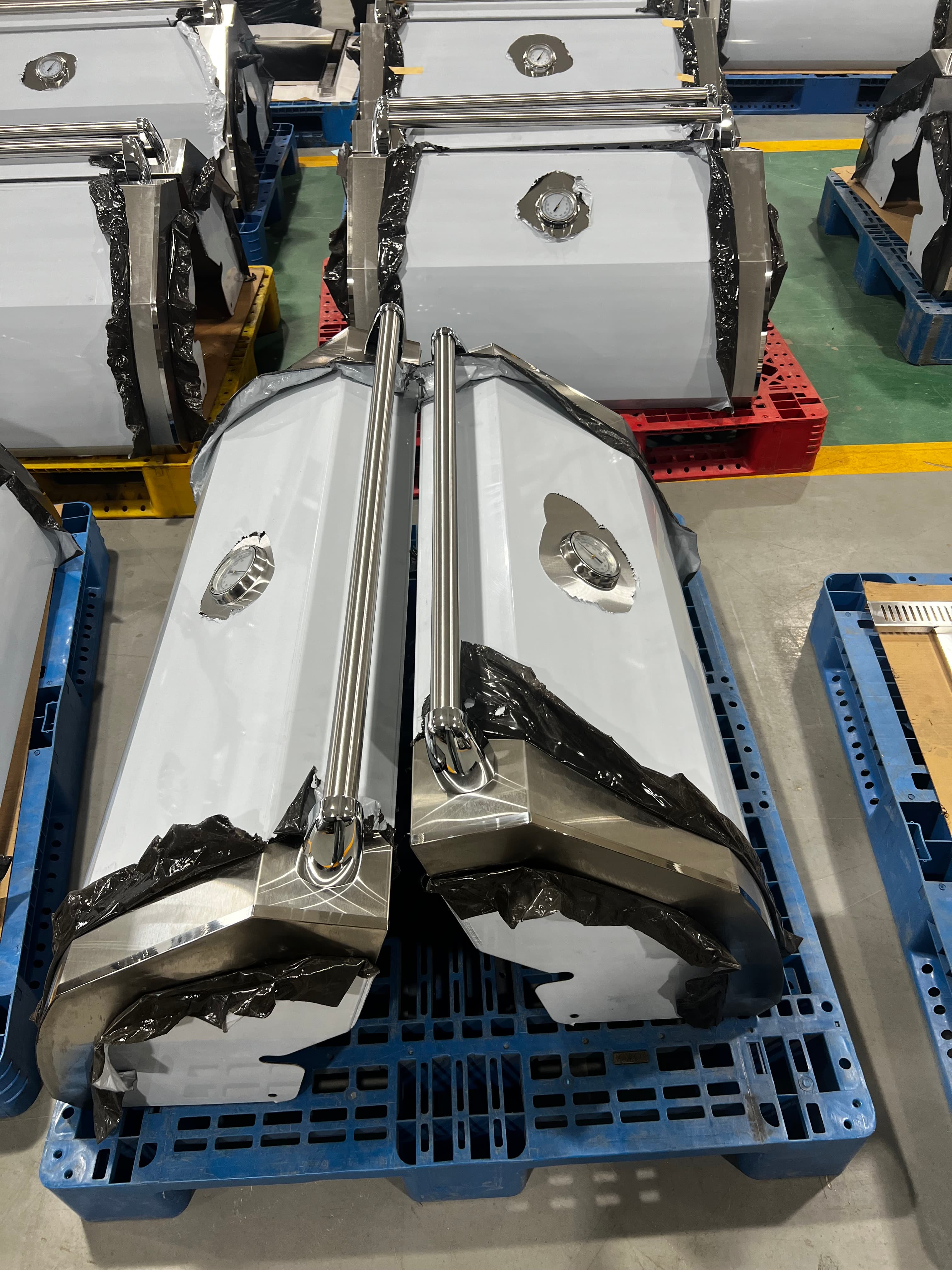
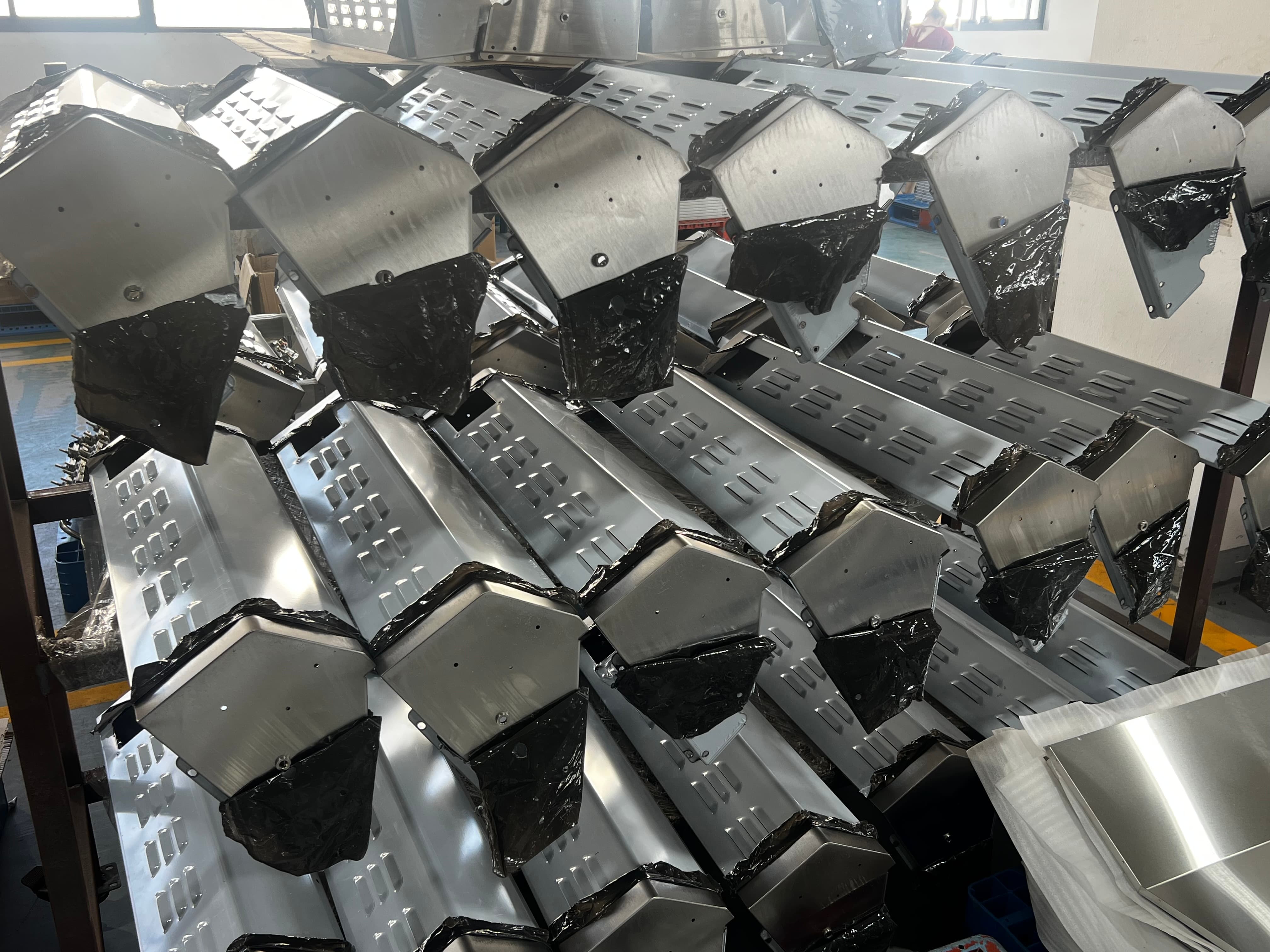
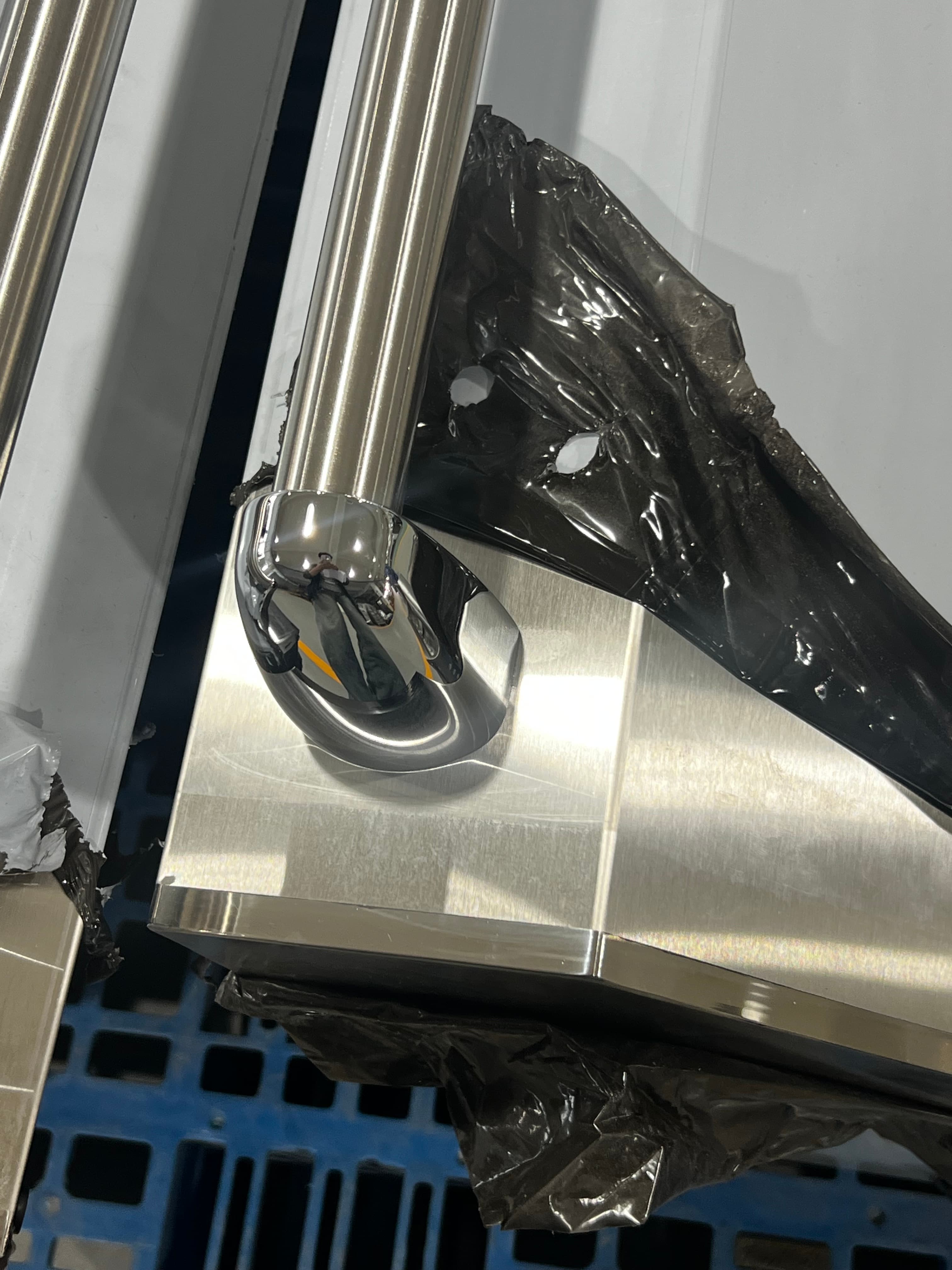
At ALRT GRILLS, we manufacture gas grills and outdoor-kitchen products for business customers. The factory photographs accompanying this article show stainless-look lids and rear-hood components in production, protective film in place, and assembled lid details such as handles and thermometers. They offer a practical starting point for a conversation about how the grill's exterior can be specified for your product range. Explore our gas grill products and OEM/ODM services to see how exterior details fit into a complete sourcing project.
What Does a Gas Grill Lid Actually Do?
A grill lid is both a functional component and a major part of the product's visual language. When closed, it helps create an enclosed cooking chamber for cooking methods that benefit from retained heat. Its profile, fit, handle position, and hinge arrangement affect how the grill opens, how users access the cooking area, and how the product presents in a showroom, catalog, or outdoor-kitchen installation.
The right lid specification depends on the grill platform and intended market. Buyers may consider the overall profile, dimensions, surface finish, thermometer placement, handle style, and whether the design includes a viewing window. These choices need to work together with the firebox, cooking grid, rear burner configuration, and built-in installation requirements. A change in one visible detail can affect tooling, component fit, assembly, packaging, or the perceived tier of the product.
That is why it is useful to define the lid early in product development rather than treating it as an afterthought. A coordinated specification gives your engineering and sourcing teams a clearer basis for reviewing samples, estimating costs, and approving production.
The Rear Hood: Structure, Finish, and Fit
“Rear hood” can mean different things across grill designs. In a sourcing brief, it is helpful to identify the exact panel or formed component you mean, provide a drawing or reference image, and show how it connects to the lid and grill body. Clear naming avoids confusion between an external rear panel, a hood section, a heat shield, or a component related to a rear burner.
As part of the grill's exterior, the rear component contributes to the product's finished appearance and can affect clearances, attachment points, access, and packing arrangements. Its bends, edges, openings, and mounting locations need to match the product structure. A well-defined interface is especially important when a grill is built into a modular outdoor kitchen, where the appliance must coordinate with surrounding cabinets and countertop dimensions.
Buyers should also confirm the intended material and finish by component. A polished or brushed appearance in a photograph does not, by itself, establish a steel grade, thickness, corrosion performance, or suitability for a particular environment. Specify those requirements in writing and confirm them against the product documentation and approved sample. ALRT's customization service supports discussions around materials, finishes, grill lids, handles, and other exterior details for OEM/ODM projects.
Four Questions to Ask Before Approving a Lid Design
1. Does it match the product position?
The lid should reinforce the grill's role in your range. A compact value model, a premium built-in grill, and a feature-rich outdoor-kitchen centerpiece may call for different profiles, finishes, handle proportions, and branding treatments. Agree on the target retail segment and visual references before finalizing details.
2. Is it comfortable to use?
Handle shape and placement affect grip and reach. Opening movement, lid balance, and clearance should be reviewed on a physical sample, not judged from a flat drawing alone. Confirm that the design works with the intended grill layout and installation environment. Any operating-temperature or safety requirements should be assessed and validated as part of the complete grill design.
3. Can the parts be made and assembled consistently?
Formed panels, edges, holes, and mounting points should be specified clearly enough for repeatable production. During sample review, check visual alignment, fit with adjacent parts, surface appearance, and assembly access. Ask how revisions will be documented so that the approved configuration is the one used for subsequent orders.
4. Will the finish arrive in sellable condition?
Visible metal surfaces can be vulnerable to rubbing and impact during handling. The factory images show protective film on components, a reminder that surface protection and packaging deserve consideration alongside the finish itself. Discuss component separation, protective materials, carton layout, and inspection points with your supplier. ALRT also describes export packaging options on its OEM/ODM solutions page, which buyers can review when planning samples and shipments.
Turning a Factory Photo into a Better Sourcing Brief
Factory photographs are useful for aligning on appearance and identifying details worth discussing, but they are not a substitute for an approved drawing, material specification, or sample. To move from inspiration to a quote, prepare a concise brief that answers the following:
Target grill width and product category
Intended market and built-in or freestanding use
Lid profile, handle preference, and thermometer or window requirements
Rear component name, reference drawing, dimensions, and attachment points
Required material grades and thicknesses by component
Surface finish, color, logo, and other private-label details
Applicable market compliance requirements
Estimated order quantity, target timing, and destination market
Packaging expectations and any special shipping constraints
The more specific your request, the easier it is to identify open decisions and evaluate the right configuration. If you do not yet have production drawings, provide annotated photos, approximate dimensions, and the features that matter most to your customers. Your supplier can then advise which information is needed to develop a sample and quotation.
Why Work Directly with a Gas Grill Manufacturer?
Working with a manufacturer can bring product, engineering, and production discussions closer together. Instead of sourcing the lid, handle, rear panel, and grill body as unrelated decisions, a buyer can develop them as parts of one platform. This can be especially helpful for brands that need a recognizable appearance across multiple grill sizes or want to adapt a product for a specific market.
ALRT GRILLS offers OEM/ODM support for global brands, distributors, and outdoor-kitchen companies, including customization of lids, handles, control panels, finishes, and private-label branding. Our broader product range includes gas grills and other outdoor-kitchen equipment, while our company profile introduces the factory behind the products. For buyers comparing configurations, the gas grill collection is a useful place to start.
When you evaluate a potential supplier, ask how design changes are recorded, what information is needed for a quotation, how samples are reviewed, and how the approved specification is carried into production. Also align on responsibilities for testing and market-specific compliance. These practical questions help both sides set expectations before a purchase order is placed.
For a multi-model range, agree which exterior features should remain consistent and which can change by size or price tier. A shared handle language, finish family, thermometer style, or logo treatment can make products feel related on a dealer's showroom floor. At the same time, larger grills may need different proportions, support points, or clearance considerations. Documenting a family-level design direction alongside model-specific drawings helps buyers compare options without assuming every component is interchangeable. It also gives sales and merchandising teams a clearer story when presenting good-better-best assortments to retailers.
Build a Grill Exterior Your Customers Recognize
A strong gas grill is a system: performance, construction, usability, appearance, and logistics must work together. The lid and rear hood deserve attention because they sit at the intersection of those priorities. They shape the first impression, influence the way customers interact with the grill, and need to fit the engineering and packaging plan behind the product.
If you are developing a new private-label grill, refreshing an existing range, or sourcing components for an outdoor-kitchen program, share your target market and exterior requirements with ALRT GRILLS. Start with our OEM/ODM gas grill services, learn more about ALRT, or contact our team to discuss your project.
FAQ
Can ALRT customize the gas grill lid for an OEM project?
ALRT's OEM/ODM service page lists grill lids and handles among its customizable exterior details. Share your preferred dimensions, profile, finish, branding, and reference images so the project can be evaluated against the grill platform.
Can I request a custom handle, thermometer, or viewing window?
These are useful design requirements to include in your inquiry. The available configuration should be confirmed for the specific model, structure, and target market before sample approval.
What should I provide to get a quotation for a lid or rear hood?
Provide the grill model or target size, drawings or annotated photos, material and finish requirements, expected order quantity, destination market, and any packaging or compliance needs. If you do not have drawings, start with reference images and approximate dimensions.
Does a stainless-steel appearance confirm the steel grade?
No. Appearance alone cannot confirm a material grade, thickness, or performance. Specify the required grade for each component and request confirmation through the approved specification and product documentation.
Can the lid and rear hood be developed as part of a complete grill?
Yes. For a new or revised product, it is generally useful to review exterior components together with the grill body, burners, cooking system, controls, installation dimensions, and packaging plan. Visit the ALRT gas grill range and OEM/ODM page for more information.
How do I discuss a project with ALRT GRILLS?
Send your product brief and reference materials through the contact page. Include your company role, target market, expected quantity, and project timing so the team can understand your requirements.